Keyboard  wireless DEXP DK-KMW8T

#9123016

Keyboard wireless DEXP DK-KMW8T

[scissor switch, number of keys - 78, Bluetooth, radio channel, color gray, included: 1 pcs] details

Not on sale
  • Characteristics
  • Feedback 53
  • Service rating (Reliability assessment)
  • Instructions and files

Characteristics Keyboard wireless DEXP DK-KMW8T

Classification

Type
keyboard
Model
DEXP DK-KMW8T
Keyboard Type
scissor switch

Appearance

Main Color
gray
Extra Color
black
Keyboard Layout Language
Russian, English
Low-Profile Keys
yes
Keyboard Backlight
none
Character Layout
front side

Keys

Total Number of Keys
78
Keycap Material
ABS
Double Shot
none
Round keys
none
Extra Keys
10 pcs
Extra Keys Type
multimedia
Silent Keys
none

Functionality

Display
none
Numeric Keypad
none
Scroll Wheel
none
Function Key (Fn)
yes
Keyboard Layout
ANSI
Support for Simultaneous Key Presses
NKRO
Custom Key Binds
none
MAC OS Support
yes

Design

Structural Features
island
Housing Material
plastic
Water Resistant
none
Wrist Rest
none
Phone stand
none
Hot Swap
none
Keypad Layout
TKL (80%)
Noise Insulation
none

Connection and Interfaces

Connection Type
wireless
Connection Type
radio channel, Bluetooth
Number of USB Hub Ports
1 pcs
Cable Length
1.5 m
Fabric Cable Braiding
none
Multi-Device Operation
yes
Number of Concurrent Connections
3

Additional Information

Power Supply Type
battery
Package Contents
USB Type-A - USB Type-C cable, documentation, USB receiver
Extra
for TV, built-in touchpad
Quantity Included
1 pcs

Dimensions and Weight

Width
340 mm
Depth
151 mm
Height
30 mm
Keyboard Weight
528 g

Description

The DEXP DK-KMW8T wireless scissor keyboard with an integrated touchpad and low-profile keys is a model for home or office. A key feature of the device is the absence of a numeric keypad. Additional keyboard functions are activated using the Fn key. The model allows managing the media player and screen brightness.
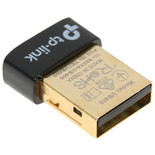
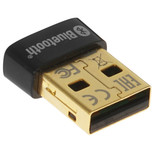
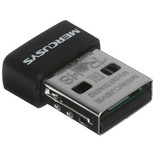
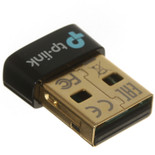
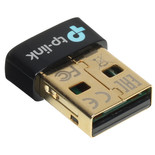
The DEXP DK-KMW8T wireless keyboard supports two connection methods: Bluetooth and radio channel. The first method is typically used by laptop owners, while the second is used for desktop computers. The 2.4 GHz radio connection is established using a miniature USB receiver.